Essential Password Security Tips for 2026
Passwords remain one of the most common entry points for cyberattacks. Password security is one of the easiest and most...

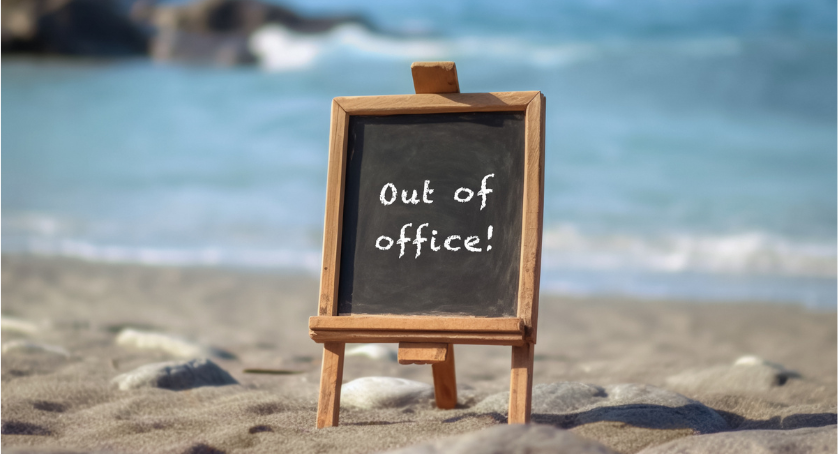
Taking time off from work should help you recharge, reset, and return more productive. But without the right preparation, vacations can create unnecessary stress for both you and your team. Missed deadlines, unclear communication, and last-minute scrambling often make it difficult to fully disconnect and enjoy your time away.
Learning how to prepare for vacation the right way can help businesses maintain productivity while supporting healthier workplace habits and stronger employee experiences. Whether you are planning a long vacation or a short trip away from the office, preparing in advance is one of the best ways to set yourself and your team up for success.
54% of employees report they are unable to fully unplug from work while on PTO. Many professionals struggle to disconnect during vacation because they leave unfinished tasks, unclear expectations, or unanswered questions behind. This often leads to employees checking emails while they’re away or returning to an overwhelming workload.
Employee burnout continues to be a growing workplace challenge. Research from Visier found that while nearly 57% of workers feel burned out, many employees still avoid taking vacation time altogether.
Encouraging employees to prepare for vacation is not just beneficial for individuals—it also supports a healthier workplace culture and long-term organizational success.
One of the most effective ways to prepare for a vacation is to start planning several weeks before your trip. Waiting until the last minute can create unnecessary pressure and increase the likelihood of missed details and mistakes. Preparing for vacation beforehand ensures you’re completely logged off and disconnected when it’s time to use your PTO.
Early preparation gives employees enough time to:
Proactive planning leads to fewer operational disruptions during your absence and sets both you and your team up for success.
Before leaving, review all active projects and determine which responsibilities need attention, before, during, and after your vacation.
A strong preparation strategy includes identifying:
Creating a clear action plan before vacation helps reduce confusion and allows teams to stay aligned while you are away. It is also helpful to organize files, update project statuses, and document outstanding items before leaving the office. Your trip may even provide an opportunity to evaluate and streamline your systems and workflows.
Communication is one of the most important parts of preparing for a vacation in the workplace.
Employees should notify managers, coworkers, clients, and stakeholders in advance about upcoming time off. Clear communication helps teams plan around schedule disruptions and prevents last-minute surprises.
Vacation communication should include:
Transparent, timely communication improves workplace efficiency and helps build trust across teams.
Delegation is an essential step before a vacation. However, successful delegation requires more than simply assigning outstanding tasks to coworkers.
To ensure a smooth handoff while they are away, employees should provide colleagues with the information needed to keep projects moving forward. This includes sharing relevant background information on active projects, outlining clear instructions for any tasks that may need attention, and organizing important files and resources so they are easy to access. Setting expectations around timelines and deadlines can help prevent confusion, while providing contact information for key stakeholders or emergency situations ensures the team has the support they need if questions arise during the employee’s absence.
Thoughtful delegation helps teams maintain momentum and ensures important responsibilities continue moving forward during employee absences.
Organizations that prioritize cross-training and collaborative workflows are often better equipped to handle vacations, PTO, and other unexpected absences.
One of the best ways to prepare for vacation is to avoid relying on memory alone. Clear documentation helps teams quickly access critical information and reduces confusion while employees are away.
Helpful preparation documents may include:
Detailed documentation supports workplace efficiency and empowers teams to work more independently.
Many professionals struggle to fully disconnect during time off because workplace expectations were never clearly established beforehand.
Employees should communicate boundaries before vacation begins. If they plan to be fully unavailable, teams should understand who to contact instead. If limited availability is necessary, employees should define what qualifies as urgent.
Encouraging employees to disconnect during vacation can help:
Businesses that support healthy vacation habits often create stronger and more sustainable workplace cultures.
Digital organization is another important step when preparing for vacation.
Before leaving, employees should:
An example out-of-office message:
Thank you for your message. I am currently out of the office and will return on [date].
During this time, I will have limited access to email and may not be able to respond right away. If you need immediate assistance, please contact [name] at info@lcs.com.
I will respond to your message as soon as possible upon my return.
Thank you,
[Your Name]
This helps manage expectations and ensures smoother communication during employee absences.
An often-overlooked part of vacation preparation is planning for your return to work.
Employees can make the transition back to work much easier by taking a few proactive steps before they leave and after they return. Leaving detailed notes for themselves can help them quickly pick up where they left off, while creating a post-vacation priority list ensures the most important tasks are addressed first. Blocking dedicated time on their calendar for catch-up work can prevent them from feeling overwhelmed by a backlog of emails and projects. It can also be helpful to avoid scheduling unnecessary meetings immediately after returning, allowing time to get organized and regain momentum before jumping back into a full schedule.
Learning how to prepare for vacation is an important professional skill that benefits both employees and organizations. Strong planning, communication, delegation, and organization can help reduce stress while improving workplace productivity and collaboration.
When employees prepare effectively, they are more likely to fully recharge and return ready to contribute at a higher level.
Businesses that support thoughtful vacation preparation are not only improving operational efficiency—they are also building healthier, more resilient workplace cultures for the future.