
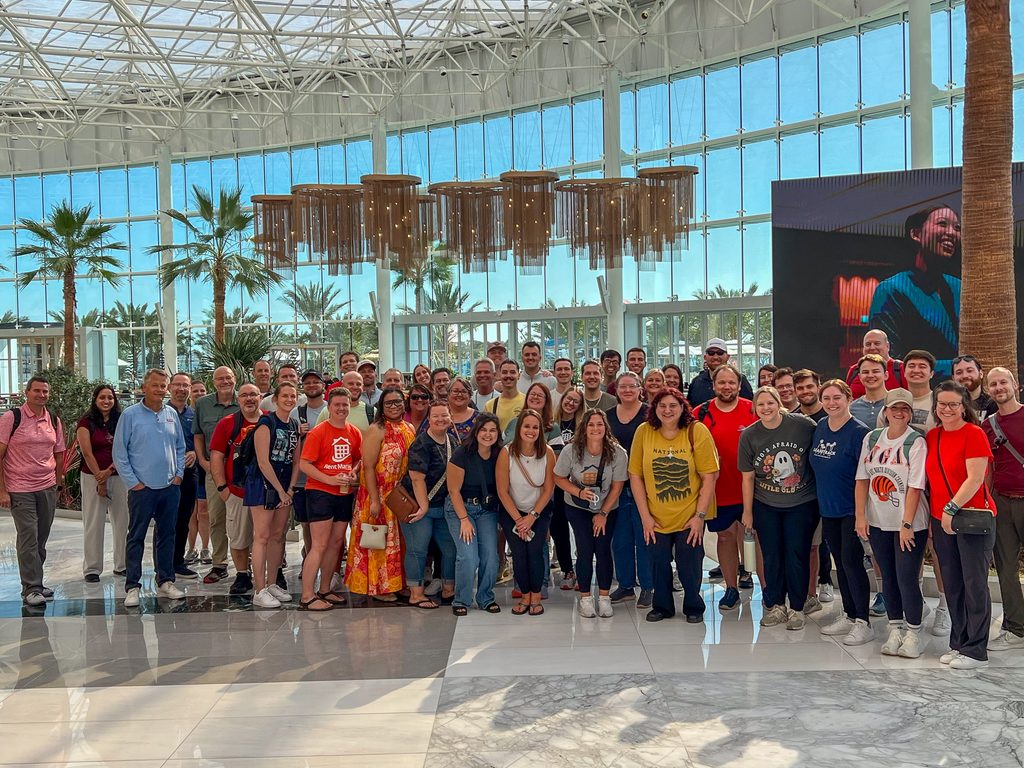
We can do almost everything from behind a screen these days. Meetings, training, webinars, networking, product demos—you name it. And while that convenience isn’t going anywhere, there’s still something different about getting people together in the same room.
Live events give us a chance to step away from our normal routines, meet new people, learn something new, and have conversations that probably wouldn’t happen in digital spaces. For companies, that makes in-person events more valuable than just something fun to put on the calendar. From educational opportunities to strengthening relationships and building culture, these are the experiences people actually remember.
There’s Still Value in Being Face-to-Face
Think about the last conference, training, or company event you attended. Chances are, you remember more than just what was on the agenda.
Maybe you met someone who gave you a great idea. Maybe a conversation over lunch answered a question you’d been thinking about for months. Or maybe you finally got to meet someone you’d only ever seen through a computer screen.
Those moments are a big part of what makes live events valuable.
Conversations happen more naturally in person. Attendees can ask follow-up questions, exchange ideas, meet people outside their usual circles, and build relationships in a way that can be harder to do virtually. Research has also shown that building new relationships can be easier in person, giving companies another reason to create opportunities for face-to-face connections.
For companies, events also provide an opportunity to put real people behind the brand. Customers can meet the teams supporting them. Employees can connect with coworkers and leaders they don’t interact with every day. Industry professionals can trade ideas and learn from people facing many of the same challenges they are.
Sometimes, the conversations between sessions can be just as valuable as the session itself.
Not Every Event Needs to Be a Huge Conference
When we hear “corporate event,” it’s easy to picture a ballroom, hundreds of attendees, keynote speakers, and a packed agenda. But events can take many different forms.
Companies can choose from plenty of event formats depending on their goals, audience, and the experience they want to create:
- Customer conferences: Education, networking, product updates, and industry insights.
- Workshops: Hands-on learning around a specific product, skill, or topic.
- Internal trainings: Opportunities for employees to learn new skills, tools, or processes.
- Leadership retreats: Dedicated time for planning, collaboration, and team building.
- Networking events: A chance to make new connections and exchange ideas.
- Product demonstrations: Interactive opportunities to showcase products, services, or new features.
- Employee events: Appreciation, recognition, team building, and company celebrations.
- Virtual events: Webinars, online trainings, panels, and other ways to connect without being in the same room.
The right event doesn’t have to be the biggest. It just needs to give people a reason to participate.
The important part isn’t the size of the event; it’s the purpose. What should your attendees get out of this gathering? With that in mind, decisions about the format, content, technology, and overall experience become much easier.
Make Learning More Interactive
The research has been clear for decades—hands-on learning methods are more effective than passive ones. That’s one reason events can work so well for training and education. Instead of watching a recording or reading instructions on their own, attendees can ask questions, see demonstrations, practice what they’re learning, and hear how other people approach the same challenges.
And not all learning has to happen from the front of the room; someone might attend a session for the presenter but leave with a great idea from the person sitting next to them. Or a question during a workshop might spark a conversation that benefits the entire group. Participation opportunities, including Q&As, hands-on exercises, breakout discussions, demonstrations, live polls, and networking, can turn simple presentations into memorable experiences.
Let Technology Do Some of the Heavy Lifting
Over the past few years, technology has changed events for the better. Mobile platforms like Cvent can help manage everything from registration and attendee communications to agendas, session enrollment, surveys, reporting, and mobile event experiences.
For attendees, an event app can become a go-to resource throughout the day. Instead of keeping track of printed schedules and handouts, attendees can pull out their phones to check their agenda, find a session, view a map, read about a speaker, access resources, or see an important event update.
Technology can make events more fun, too. QR codes, live polls, digital Q&As, gamification, push notifications, surveys, and networking features can give attendees more reasons to interact with the event rather than just sitting through it.
And for event organizers, all that engagement can provide useful information, like the most popular sessions, topics, and interactions, and point out potential future improvements. Combined, those insights can make the next event even stronger.
Virtual Events Still Have a Place
Of course, getting everyone in the same room isn’t always realistic. Virtual events, webinars, and hybrid experiences can make education and training available to people who may not have the time, budget, or ability to travel.
They can also help companies get more mileage out of the content they’re already creating. For example:
- An in-person presentation can later become an on-demand webinar.
- A training session could be recorded and shared with employees who couldn’t attend.
- Questions from a live audience could inspire future blogs, videos, webinars, or educational resources.
Companies don’t necessarily have to choose between virtual and in-person experiences. The two can work together.
Think Beyond the Agenda
A great agenda is important, but the attendee experience is more than just the itinerary.
Start at the beginning. Was it easy to register? Did they know what to expect before arriving? Could they easily find where they needed to go? Were there opportunities to meet other people? Was there something unexpected or fun that made the event memorable?
Sometimes, relatively small details can make a big difference.
A networking activity might introduce two people who end up working together. An interactive element might encourage an attendee to explore part of an event they otherwise would have missed. A well-timed push notification might remind someone about a session they really wanted to attend.
When companies think about the entire experience instead of just the agenda, events can feel much more intentional.
Keep the Conversation Going
Once the event is over, the opportunity to connect doesn’t have to be.
After an event, companies can share session recordings, presentations, photos, resources, or additional educational content. Surveys can help organizers understand what attendees enjoyed and what they’d like to see next time. Follow-up emails can keep conversations going and give attendees an easy way to reconnect.
It’s also worth looking beyond attendance when deciding whether an event was successful.
Did people participate? Consider the connections attendees made, what they learned, how they engaged with your team, and whether the overall experience left them wanting to come back.
Those takeaways can tell you much more than the number of people who walked through the door.
Bringing Live Events to Life at LCS
At LCS, we see the value of live events firsthand through the Rent Manager User Conference (RMUC). Our annual event brings Rent Manager customers, employees, industry partners, and experts together for several days of learning, networking, and connection.
Throughout the conference, attendees have opportunities to learn more about Rent Manager, hear directly from our team and industry professionals, explore new ideas, ask questions, and connect with other property management professionals. Just as importantly, our employees get to meet customers face-to-face, hear about their experiences, and better understand the challenges and opportunities they encounter in their day-to-day work.
Those conversations are valuable for everyone involved.
Putting on an event like the RMUC is no small feat, and our entire team pitches in to make it happen. From educational content and product demonstrations to attendee communications, technology, networking, entertainment, and everything behind the scenes, employees from across the company contribute to creating the experience.
It’s a major undertaking, but it’s also a great example of why live events matter. The RMUC gives us a chance to strengthen relationships with our customers, share knowledge, listen and learn, showcase what’s happening at Rent Manager, and bring our community together in one place.
And while the conference may only last a few days, the conversations, ideas, feedback, and connections that come from it can continue long after everyone heads home.
Give People a Reason to Come Together
We have more ways to communicate than ever before, but that doesn’t make live events less important. If anything, it can make those face-to-face moments feel even more valuable.
Whether it’s a large customer conference, an employee training, a small workshop, or an afternoon networking event, bringing people together creates opportunities for conversations, learning, and connections that don’t always happen during the normal workday.
The technology, venue, agenda, and activities all play a role. But at the end of the day, the best events are really about the people in the room and giving them a reason to be there. And when people walk away with a new idea, a new connection, or even just a really good conversation, that’s when an event has done its job.