Ethics of AI in the Workplace
As Artificial Intelligence (AI) adoption at work continues to rise, so do concerns about how AI will transform the workplace...

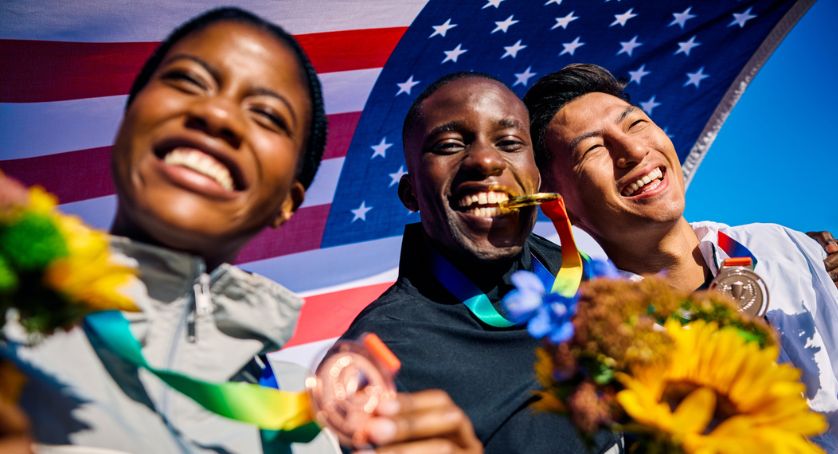
The 2026 Winter Olympics kicked off this month in Italy, and whether you’re watching the games or not, there’s nothing quite like the thrill of competition. It’s why we put on our annual LCS Olympics, after all. We find that engaging in friendly competition at the office helps foster a fun environment and team camaraderie. In fact, there’s a lot that company events—or the Winter Olympic Games—can teach us about teamwork in the workplace.
While you may not be an Olympic athlete, you can work together with your coworkers, just like the Olympians do, to the benefit of all. According to Gallup, higher levels of team engagement can result in 21% greater profitability, and a study from Stanford University reports that employees who work collaboratively are 64% more likely to focus on tasks for longer periods.
Cultivating a cooperative environment and effective teamwork is key to a productive, engaged, and happy workforce. But how should you go about building a team worthy of a gold medal? We’ve rounded up the top strategies you can use to develop an award-winning team that will put your company on the podium.
With the world watching, Olympians are masters of succeeding under pressure. And although you might not have a global audience of millions, you may still feel pressure to perform well in your day-to-day work. However, just like Olympic athletes, you have the same valuable tool at your disposal to deal with a high-stakes workload—practice.
Olympians spend years perfecting their craft, training their bodies and minds to perform under even the most stressful circumstances. But they don’t do it alone; they have coaches and teammates to help them practice, and you can too. Run your presentation by a coworker before the big meeting, or have your supervisor review your proposals before you submit them. The more practice you get in lower-stakes situations, the better your chances of performing well when more is on the line. Being calm and confident in your work—even under tight deadlines—can also positively influence the rest of your team.
If at first you don’t succeed, try again. Even the most practiced Olympic athletes can still take a tumble on the ice or botch the landing of their ski jump. The key to their overall success? They get back up and keep going.
At work, things don’t always go your way. Your proposal may be denied, or a project you worked hard on may come back with feedback requiring major changes. Mistakes happen, and it can be easy to dwell on what went wrong, but just like Olympians, the best team players take accountability, adjust their approach, and keep moving forward. This sets an important example for the rest of your team and reinforces that mistakes can be a learning opportunity, even for the most decorated of Olympic athletes.
Not everyone on an Olympic team will have the same strengths and weaknesses, and the same is true in the workplace. Just as Olympians compete in their strongest events, your team should know which members excel in which areas and assign tasks accordingly. For leaders, effective delegation is key to maintaining a successful team dynamic. Allowing your team to use their strengths fosters productivity, engagement, and a sense of purpose.
When it comes to effective teamwork, having the right resources is essential. For Olympians, that checklist involves their gear, but for the workplace, that could be any number of things. Making sure your team has the tools and resources they need is critical to success. Up-to-date technology, proper training, and regular check-ins are all key components of a well-equipped team.
But arguably more important than the right equipment is the right attitude. A positive attitude among team members and leaders can improve communication, trust, and respect. Leading by example helps reinforce these qualities. When you model optimism and empathy, your teammates are more likely to do the same, strengthening motivation, focus, and overall dynamics. Just watch the Olympians this winter when they cheer on their teammates—something as simple as a smile and praise can go a long way in cultivating positive attitudes at work.
At LCS, our team thrives on open communication, collaboration, and a positive environment. We provide opportunities for employees to connect, both at work and outside of it. Whether it’s participating in team-building events, fostering career growth via our L.E.A.D. program, or working with our Professional Development Coaches, we strive for a fun and connected workplace every day.